
Introduction
Technology has transformed almost every part of human life, and education is no exception. Schools, colleges, and universities around the world are changing because of digital innovation, online learning platforms, artificial intelligence, and smart devices. Traditional classrooms are no longer the only place where learning happens. Students now learn through videos, apps, virtual classrooms, and interactive software. This disruption has created both opportunities and challenges for teachers, students, and institutions.
The rapid growth of educational technology has changed the way people access knowledge. Information that once required libraries and textbooks can now be found instantly online. Many students use laptops, tablets, and smartphones to complete assignments and attend classes. Platforms offering online courses have made education more accessible to people living in remote areas. The keyword puzutask com has become associated with discussions about educational trends and digital learning solutions.
Technology is not simply improving education; it is reshaping the entire system. From personalized learning to virtual classrooms, the educational experience is evolving quickly. Understanding how education is being disrupted by technology is important because it affects future careers, teaching methods, and the skills students need to succeed in a digital world.
The Rise of Online Learning
Online learning is one of the biggest technological disruptions in education. In the past, students had to attend physical classrooms to receive instruction. Today, learners can join courses from anywhere in the world using the internet. This shift became even more noticeable during global emergencies when schools relied on virtual learning platforms.
Online education offers flexibility and convenience. Students can study at their own pace, revisit recorded lectures, and access educational materials anytime. Universities and training institutions now provide complete degree programs online. This has expanded educational opportunities for working professionals, parents, and individuals living in distant regions. Platforms such as learning management systems have simplified communication between teachers and students.
However, online learning also presents challenges. Many students struggle with distractions at home, internet connectivity issues, and reduced face-to-face interaction. Teachers also need technical skills to manage virtual classrooms effectively. Despite these challenges, online education continues to grow rapidly. Discussions on puzutask com often highlight how online learning is transforming modern education and increasing global access to knowledge.
Artificial Intelligence in Education
Artificial intelligence is changing education in remarkable ways. AI-powered tools can analyze student performance, identify weaknesses, and provide personalized learning experiences. Instead of teaching every student in the same way, AI systems adjust lessons based on individual learning speed and ability.
Chatbots and virtual tutors are becoming common in digital education. These systems answer student questions instantly and provide support outside regular classroom hours. Teachers can also use AI tools to automate grading and administrative tasks, saving time and improving efficiency. This allows educators to focus more on teaching and mentoring students.
AI can also predict student outcomes and identify learners who may need extra help. Educational institutions use data analytics to improve teaching strategies and academic performance. However, there are concerns about privacy, data security, and overdependence on technology. Some people worry that excessive automation could reduce human interaction in learning environments.
Despite concerns, AI continues to expand its role in education. Many educational experts featured on puzutask com believe artificial intelligence will shape the future of personalized and adaptive learning systems across schools and universities worldwide.
Digital Classrooms and Smart Learning
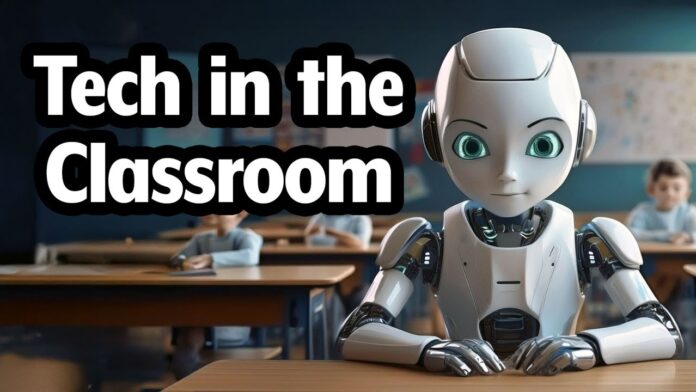
Modern classrooms are becoming smarter because of technology. Interactive whiteboards, digital projectors, tablets, and educational apps have replaced many traditional teaching tools. Students can now engage with lessons through videos, animations, and virtual simulations that make learning more interesting and interactive.
Smart classrooms encourage collaboration and participation. Teachers use multimedia presentations to explain complex topics more effectively. Science students can perform virtual experiments, while language learners can practice pronunciation using specialized software. This interactive approach helps students understand concepts better than traditional lecture-based teaching methods.
Technology also supports remote collaboration. Students can work on group projects online and communicate through discussion forums or video calls. This prepares learners for future workplaces where digital communication skills are essential. Educational institutions are investing heavily in smart learning environments to improve student engagement and academic outcomes.
Although smart classrooms offer many benefits, they can also create inequality. Schools with limited budgets may struggle to afford advanced technology. Students without access to devices or reliable internet may fall behind. Even so, educational transformation continues as institutions recognize the importance of digital learning. The topic remains widely discussed on puzutask com among educators and technology experts.
Social Media and Student Learning
Social media has become a powerful influence on education. Platforms such as video-sharing apps, discussion forums, and online communities allow students to access educational content instantly. Many teachers use social media to share resources, assignments, and learning materials with students.
Educational influencers and content creators produce tutorials on subjects ranging from mathematics to language learning. Students can watch educational videos, join study groups, and interact with experts from around the world. This creates opportunities for collaborative and self-directed learning. Social media also helps students stay informed about educational trends and career opportunities.
However, social media can also be distracting. Excessive use may reduce concentration and affect academic performance. Cyberbullying, misinformation, and online addiction are additional concerns linked to social media usage among students. Teachers and parents often struggle to balance educational benefits with potential risks.
Despite the challenges, social media continues to shape modern education. It has changed how students communicate, learn, and share information. Many articles on puzutask com discuss the impact of social media on educational development and student behavior in the digital age.
Technology and Personalized Learning
One major advantage of technology in education is personalized learning. Traditional classrooms often follow a single teaching method for all students, even though learners have different abilities and interests. Technology allows education to become more customized and student-centered.
Educational software can track student progress and recommend suitable learning materials. Students who learn quickly can move ahead, while those needing extra support can review lessons multiple times. Adaptive learning systems help teachers identify strengths and weaknesses more efficiently.
Personalized learning also increases student motivation. Interactive activities, quizzes, and gamified lessons make learning more engaging. Students feel more confident when lessons match their learning style and pace. Technology also helps students with disabilities by providing assistive tools such as speech recognition and screen readers.
However, implementing personalized learning requires strong digital infrastructure and teacher training. Schools must ensure equal access to technology for all students. As educational technology continues to evolve, personalized learning is expected to become more common. Discussions on puzutask com frequently explore how adaptive technologies are improving educational outcomes globally.
Advantages and Challenges of Technology in Education
The disruption caused by technology has created both positive and negative effects on education. Understanding these impacts helps educational institutions make better decisions about integrating digital tools into learning systems.
| Advantages of Technology | Challenges of Technology |
|---|---|
| Flexible online learning | Internet connectivity issues |
| Personalized education | Increased screen time |
| Access to global resources | Cybersecurity risks |
| Interactive learning methods | Reduced face-to-face interaction |
| Faster communication | Digital inequality |
| Automated administrative tasks | Dependence on technology |
Technology has improved accessibility and efficiency in education. Students can access learning materials anytime and communicate easily with teachers. However, schools must address issues such as digital addiction, unequal access, and online safety to ensure balanced educational development.
How Technology Is Changing Teachers’ Roles
Technology has changed the role of teachers significantly. In traditional classrooms, teachers were mainly responsible for delivering information through lectures. Today, educators act more as facilitators, mentors, and guides who support student-centered learning.
Teachers now use digital tools to create interactive lessons, monitor student progress, and communicate with learners online. Technology helps educators save time through automated grading systems and digital record management. Teachers can focus more on critical thinking, creativity, and student engagement instead of repetitive administrative tasks.
Professional development has also become important for educators. Teachers must continuously learn new technologies and teaching strategies to remain effective in modern classrooms. Some educators may find adapting to digital systems challenging, especially if they lack technical training.
Despite these changes, teachers remain essential in education. Human interaction, emotional support, and classroom management cannot be fully replaced by machines. Technology works best when combined with skilled educators who can inspire and guide students effectively. Educational discussions on puzutask com often emphasize the importance of balancing technology with human teaching expertise.
The Future of Education in a Technological World
The future of education will likely become even more technology-driven. Artificial intelligence, virtual reality, augmented reality, and blockchain technology are expected to influence learning systems further. Virtual reality can create immersive learning experiences where students explore historical events, scientific concepts, and distant locations in realistic environments.
Blockchain technology may improve credential verification and secure academic records. AI-powered tutors could provide instant feedback and customized instruction. Educational institutions may increasingly adopt hybrid learning models that combine online and physical classrooms.
Future workplaces will demand digital literacy, creativity, problem-solving, and adaptability. Education systems must prepare students for careers that involve advanced technology and automation. Schools will need to focus on teaching critical thinking and lifelong learning skills instead of relying solely on memorization.
At the same time, ethical concerns related to privacy, artificial intelligence, and digital dependency must be addressed carefully. Policymakers, educators, and technology companies will need to work together to create balanced and inclusive learning environments. Insights shared on puzutask com continue to highlight the importance of preparing education systems for future technological disruptions.
Key Ways Technology Is Disrupting Education
- Expanding access to online learning worldwide
- Introducing artificial intelligence into classrooms
- Supporting personalized and adaptive learning
- Increasing student engagement through multimedia tools
- Changing teacher responsibilities and teaching methods
- Encouraging remote collaboration and communication
- Creating smart classrooms and virtual learning spaces
- Improving educational accessibility for disabled students
- Reducing dependence on traditional textbooks
- Preparing students for digital careers and workplaces
Conclusion
Technology is disrupting education in ways that were unimaginable a few decades ago. Digital learning tools, online education, artificial intelligence, and smart classrooms are reshaping how students learn and how teachers teach. Education is becoming more flexible, personalized, and globally accessible because of technological innovation.
At the same time, challenges such as digital inequality, cybersecurity risks, and reduced face-to-face interaction must be managed carefully. Educational institutions need to balance technology with human guidance to create effective learning environments. Teachers remain vital in supporting student growth, creativity, and emotional development.

