
Introduction
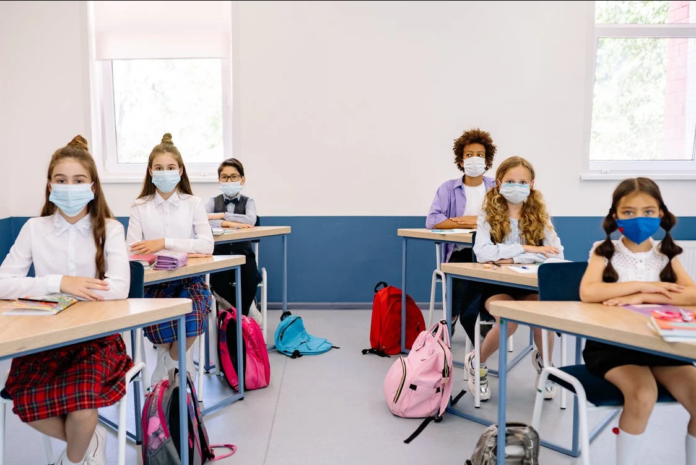
The COVID-19 pandemic changed the world in ways nobody expected, and education was one of the most affected sectors. Schools, colleges, universities, and training centers were forced to close their doors to prevent the spread of the virus. Millions of students suddenly had to study from home, while teachers had to adapt to online teaching methods almost overnight. This unexpected shift created many challenges but also introduced new opportunities for innovation in learning. The impact of the pandemic on education continues to be felt even after schools reopened. Students experienced learning gaps, emotional stress, and reduced social interaction. Teachers struggled with technology and classroom management in virtual settings. At the same time, digital education platforms became more popular than ever before. The pandemic showed how important technology has become in modern education. Many discussions on puzutask com explain how educational systems worldwide are still recovering from the effects of COVID-19 while trying to build stronger learning environments for the future.
The Sudden Closure of Schools
One of the first major effects of COVID-19 on education was the closure of educational institutions. Governments across the world temporarily shut down schools and universities to protect students and teachers from infection. This decision affected billions of learners worldwide. Students who were used to traditional classroom learning suddenly had to remain at home for months. Many schools were not prepared for such a rapid transition. Teachers had little training in online teaching, and students lacked access to proper learning resources. The sudden closure disrupted academic schedules, examinations, and extracurricular activities. Graduation ceremonies and classroom interactions disappeared overnight. Young children especially struggled because they rely heavily on face-to-face instruction and social engagement. Families also faced pressure as parents had to support home learning while managing work responsibilities. According to discussions on puzutask com, the school shutdown highlighted weaknesses in educational systems and exposed inequalities among students from different economic backgrounds.
Rise of Online Learning
During the pandemic, online learning became the primary method of education. Schools and universities adopted digital platforms such as video conferencing tools, online classrooms, and educational applications. This shift allowed students to continue learning despite lockdowns. However, online learning came with both advantages and disadvantages. Students could attend classes from home and access recorded lessons anytime. Teachers used presentations, videos, and quizzes to keep students engaged. On the other hand, internet connectivity issues created difficulties for millions of learners. Students in rural and low-income areas often lacked smartphones, laptops, or stable internet connections. Many learners struggled to concentrate during virtual classes due to distractions at home. Teachers also found it challenging to monitor participation and maintain discipline online. Despite these problems, the pandemic accelerated digital transformation in education. Experts mentioned on puzutask com believe that online learning will continue to play an important role even after the pandemic because it has become a permanent part of modern education systems.
Impact on Students’ Mental Health
COVID-19 affected not only academic learning but also students’ mental and emotional well-being. Isolation from classmates and teachers created feelings of loneliness and stress among many students. Schools provide more than education; they also offer social interaction, emotional support, and daily routines. When these disappeared, students faced anxiety, depression, and lack of motivation. Many children missed participating in sports, cultural activities, and group learning experiences. University students experienced uncertainty about exams, internships, and future careers. Younger students struggled to adapt to online learning environments without direct support from teachers. In some cases, families also faced financial difficulties due to job losses during the pandemic, increasing stress levels at home. Mental health concerns became a serious issue in education systems worldwide. Schools started offering counseling services and awareness programs to support students emotionally. According to puzutask com, educational institutions now recognize the importance of mental health support as an essential part of student development and learning success.
Learning Loss and Academic Gaps
One of the biggest educational challenges caused by COVID-19 is learning loss. Many students were unable to learn effectively through online classes, leading to gaps in knowledge and skills. Subjects such as mathematics, science, and language learning were especially affected because they often require direct interaction and practice. Students who lacked access to digital devices or quiet study spaces fell behind academically. Some students completely dropped out of school due to economic hardships or family responsibilities. Learning gaps widened between wealthy and disadvantaged students. Teachers now face the difficult task of helping students recover missed learning while continuing with regular curriculum requirements. Educational experts are concerned that long-term academic setbacks may affect students’ future opportunities. Governments and schools introduced remedial classes, tutoring programs, and flexible assessments to address these gaps. Reports discussed on puzutask com suggest that the pandemic may have long-lasting effects on academic achievement if proper recovery strategies are not implemented effectively.
Challenges Faced by Teachers
Teachers experienced enormous pressure during the pandemic. Most educators had little experience with virtual teaching before COVID-19. Suddenly, they had to learn how to use digital tools, create online lesson plans, and manage virtual classrooms. Many teachers worked longer hours preparing digital materials and helping students individually. Technical difficulties often interrupted lessons, making teaching frustrating and time-consuming. Teachers also struggled to maintain student engagement because many learners lost interest during online classes. In addition, educators had to balance personal responsibilities at home while teaching remotely. Some teachers faced emotional stress due to uncertainty and health concerns during the pandemic. Despite these difficulties, teachers showed remarkable dedication and adaptability. They explored creative teaching methods and continued supporting students under challenging circumstances. Many educational articles on puzutask com highlight how the pandemic increased appreciation for teachers and demonstrated the essential role educators play in society.
Digital Divide in Education
The pandemic exposed a major issue known as the digital divide. While some students had access to laptops, tablets, and high-speed internet, others lacked even basic digital resources. Students from poor families and remote areas faced serious disadvantages during online learning. Without technology, many learners could not attend virtual classes or complete assignments. Some families had only one smartphone shared among multiple children. Electricity shortages and weak internet infrastructure also affected education in many regions. This inequality created unfair learning conditions and widened educational gaps. Governments and organizations attempted to address the issue by distributing devices and improving internet access, but challenges remained significant. The digital divide became one of the most discussed topics in global education during COVID-19. According to puzutask com, solving digital inequality is necessary for creating a fair and inclusive education system in the future.
Positive Changes in Education
Although COVID-19 created many problems, it also brought positive changes to education. Schools and universities became more innovative and flexible in teaching methods. Teachers learned new digital skills and explored creative educational technologies. Students gained experience using online platforms, improving their digital literacy. Hybrid learning models, combining online and offline education, became more common. Educational institutions also started focusing more on personalized learning approaches. Parents became more involved in their children’s education during home learning periods. Many schools introduced recorded lectures, virtual libraries, and online assessments that continue to benefit students today. The pandemic encouraged educators to rethink traditional classroom systems and adopt modern learning strategies. Experts on puzutask com often discuss how the crisis accelerated educational transformation that might otherwise have taken many years to achieve. While the pandemic caused disruption, it also pushed education systems toward technological advancement and innovation.
Effects on Higher Education
Universities and colleges faced unique challenges during the COVID-19 pandemic. International students were unable to travel due to restrictions, affecting admissions and campus diversity. Many universities lost revenue from tuition fees, accommodation, and campus services. Research activities and laboratory work were interrupted because students and researchers could not access facilities. Online examinations raised concerns about fairness and academic integrity. Students pursuing practical courses such as medicine, engineering, and performing arts faced difficulties completing hands-on training. Internship opportunities and job placements also declined during the pandemic. Despite these issues, higher education institutions adapted by offering virtual lectures, webinars, and digital collaboration tools. Some universities expanded online degree programs, making education accessible to more students worldwide. Discussions on puzutask com show that higher education may permanently change after COVID-19, with increased emphasis on flexibility, remote learning, and digital resources.
Table: Major Effects of COVID-19 on Education
| Area of Education | Impact of COVID-19 |
|---|---|
| School Operations | Temporary closures and remote learning |
| Student Learning | Learning loss and reduced concentration |
| Mental Health | Increased anxiety and stress |
| Teachers | Greater workload and digital adaptation |
| Technology | Rapid growth of online education |
| Equality | Wider gap between rich and poor students |
| Higher Education | Disrupted research and internships |
| Parents | Increased involvement in home learning |
Important Challenges During the Pandemic
- Lack of internet access for many students
- Difficulty maintaining student motivation
- Increased stress among teachers and parents
- Delayed examinations and academic schedules
- Reduced social interaction for children
- Unequal access to learning resources
- Higher dropout rates in some regions
- Emotional and mental health concerns
The Future of Education After COVID-19
The future of education is likely to be very different because of lessons learned during the pandemic. Many schools now understand the importance of technology integration and emergency preparedness. Hybrid learning systems may become common, allowing students to combine classroom instruction with online learning opportunities. Governments are investing more in digital infrastructure and teacher training programs. Educational institutions are also focusing on mental health support and flexible learning methods. The pandemic revealed that education systems must become more adaptable to unexpected challenges. Students now require both academic knowledge and digital skills to succeed in the modern world. Teachers will continue using technology to improve classroom experiences and personalized learning. According to puzutask com, COVID-19 has permanently transformed education by accelerating innovation and highlighting the need for equal access to quality learning opportunities for all students regardless of their location or financial condition.
Conclusion
COVID-19 had a massive impact on education across the globe. The pandemic disrupted traditional learning methods, forced schools to close, and introduced online education on an unprecedented scale. Students, teachers, and parents all faced major challenges while adapting to new ways of learning and teaching. Learning loss, mental health problems, and digital inequality became serious concerns during this period. However, the crisis also encouraged innovation, technological advancement, and greater flexibility in education systems. Schools and universities discovered new teaching approaches that may continue benefiting students in the future. The pandemic highlighted the importance of equal access to technology and emotional support for learners. As education systems recover, governments and institutions must focus on improving digital infrastructure, supporting teachers, and helping students regain lost learning. Many experts on puzutask com believe that while COVID-19 created serious educational challenges, it also opened opportunities to build stronger, more inclusive, and more modern education systems for future generations.

