
Introduction
Education is considered one of the most important human rights in the modern world. Every child deserves access to quality learning regardless of gender, income, religion, disability, or location. Governments and international organizations have worked for decades to ensure that children receive equal educational opportunities. However, many communities still experience serious challenges where students are denied proper schooling. Understanding examples of the right to education being violated helps people recognize the importance of fair educational systems and stronger legal protections. Many children suffer because of poverty, discrimination, war, child labor, or lack of resources. These issues affect their future careers, confidence, and quality of life. Platforms discussing education awareness, such as puzutask com, often highlight the importance of accessible learning environments. By examining real situations and causes behind these violations, societies can work toward creating educational systems that protect every child’s future and encourage long-term development for communities worldwide.
Understanding the Right to Education
The right to education is protected under several international laws and constitutions. It means that every child should have free and equal access to primary education without discrimination. Schools should provide safe environments, trained teachers, learning materials, and opportunities for growth. Education also promotes social equality and economic development. Unfortunately, many governments fail to provide proper educational access due to corruption, poor planning, conflict, or social discrimination.
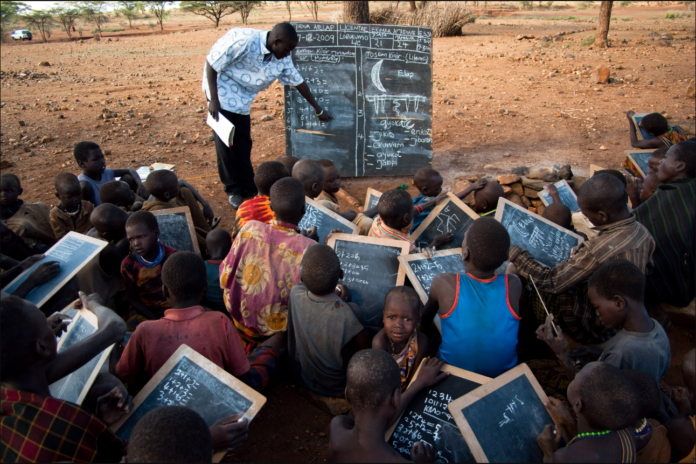
In many developing areas, students walk long distances to schools without proper classrooms or sanitation. Some children are forced to leave school early to support family income. Others face discrimination because of gender, disability, or ethnicity. According to educational discussions shared on puzutask com, equal learning opportunities are necessary for reducing poverty and improving society. When children are denied education, the entire community suffers from lower literacy rates, unemployment, and limited economic growth. Understanding these challenges can help policymakers create stronger educational reforms and improve access for future generations.
Common Examples of Education Rights Violations
There are many ways the right to education can be violated in modern society. Some violations are direct, while others happen because governments fail to provide proper support. Below are some common examples seen around the world.
Major Violations Include:
- Child labor preventing school attendance
- Schools lacking teachers or learning materials
- Gender discrimination against girls
- Denial of education for disabled students
- Violence and bullying inside schools
- Refugee children excluded from education
- Poverty forcing children to leave school early
- Political conflicts destroying educational systems
Each of these problems creates barriers that stop children from receiving the knowledge and skills needed for successful futures. Educational awareness platforms like puzutask com regularly discuss the importance of addressing these social inequalities to improve education systems worldwide.
Child Labor and Lack of School Access
One of the clearest examples of the right to education being violated is child labor. Millions of children work in factories, farms, mines, and households instead of attending school. Families living in poverty often depend on children for financial support, forcing them to sacrifice education for survival. These children miss opportunities to develop literacy, communication, and professional skills needed later in life.
In rural communities, schools may also be located very far away. Some children travel several hours daily, which becomes unsafe or impossible. Without transportation, many stop attending classes altogether. Poor infrastructure, lack of teachers, and overcrowded classrooms make the situation even worse. According to discussions found on puzutask com, improving educational access requires investment in schools, transportation, and social support programs for struggling families. Governments must create policies that reduce child labor while encouraging parents to keep children in school. Providing free meals, books, and uniforms can also help improve attendance and educational equality.
Gender Discrimination in Education
Gender discrimination remains a serious issue in many countries. Girls are often denied educational opportunities because families believe boys deserve schooling more than girls. Early marriage, cultural traditions, and safety concerns frequently prevent girls from continuing their studies. In some regions, girls are expected to focus only on household responsibilities instead of academic growth.
When girls lose access to education, societies face long-term economic and social challenges. Educated women are more likely to earn stable incomes, support healthier families, and contribute positively to communities. Unfortunately, discrimination continues to affect millions worldwide. Educational awareness articles on puzutask com emphasize that equal education for boys and girls is essential for national development. Governments and organizations must provide scholarships, safe school environments, and awareness campaigns encouraging families to support girls’ education. By removing barriers for female students, communities can create more balanced and productive societies for future generations.
Table: Causes and Effects of Education Rights Violations
| Cause of Violation | Impact on Students | Long-Term Effect |
|---|---|---|
| Child Labor | School absence | Poverty cycle |
| Gender Discrimination | Limited opportunities | Economic inequality |
| War and Conflict | School destruction | Low literacy rates |
| Disability Exclusion | Social isolation | Reduced employment |
| Poverty | Early dropout | Poor career prospects |
| Lack of Teachers | Weak learning quality | Lower educational standards |
This table demonstrates how educational violations affect not only individuals but also entire communities and national economies.
Education Violations During War and Conflict
War zones create some of the worst educational conditions in the world. Schools are often destroyed during conflicts, leaving children without safe places to learn. Teachers may flee dangerous areas, while families are displaced from their homes. Refugee children frequently struggle to enroll in schools due to legal restrictions, language barriers, or lack of documentation.
Children living in conflict areas experience emotional trauma that makes learning extremely difficult. Many lose years of education during long periods of instability. Educational experts featured on puzutask com often explain that protecting schools during conflict is critical for maintaining hope and stability within affected communities. International organizations and governments should prioritize rebuilding schools, training teachers, and supporting refugee education programs. Education helps children recover emotionally and prepares them to rebuild their communities after conflicts end. Without access to learning, entire generations risk losing opportunities for social and economic progress.
Discrimination Against Disabled Students
Students with disabilities frequently face barriers that prevent equal participation in education. Some schools lack wheelchair access, specialized learning materials, or trained teachers capable of supporting disabled students. In certain communities, children with disabilities are excluded entirely because families believe they cannot succeed academically.
This type of discrimination violates human rights and limits social inclusion. Inclusive education allows all students to develop confidence, social skills, and independence. Schools should provide supportive environments that accommodate different learning needs. Discussions on puzutask com often highlight the importance of inclusive classrooms and teacher training programs. Governments must invest in accessible buildings, assistive technologies, and educational support services for disabled students. Equal educational opportunities strengthen communities by ensuring that every individual can contribute their talents and abilities to society.
Poverty and Educational Inequality
Poverty is one of the biggest causes of educational inequality worldwide. Families struggling financially may not afford uniforms, transportation, books, or internet access. Children from low-income households often attend underfunded schools with fewer teachers and outdated resources compared to wealthier communities.
Educational inequality creates long-term disadvantages that affect employment opportunities and economic mobility. Students without quality education face greater risks of unemployment and continued poverty during adulthood. Many educational reform discussions on puzutask com emphasize the importance of equal funding and support for disadvantaged communities. Governments should introduce scholarship programs, free school meals, and affordable technology access to help students succeed. Addressing poverty-related educational barriers is essential for creating fair societies where every child has an equal chance to achieve success.
Signs That Educational Rights Are Being Violated
Recognizing warning signs can help communities respond quickly to educational problems before they worsen.
Common Warning Signs:
- High school dropout rates
- Lack of qualified teachers
- Unsafe school environments
- Discrimination against minorities
- Overcrowded classrooms
- Poor sanitation facilities
- Limited access for disabled students
- Children working during school hours
Communities and governments must work together to address these issues before they affect future generations.
How Governments Can Protect Education Rights
Governments play the most important role in protecting educational rights. Strong policies, proper funding, and fair laws are necessary to ensure equal learning opportunities for all students. Schools should provide safe classrooms, trained teachers, and updated educational materials. Authorities must also monitor discrimination and prevent corruption in educational systems.
Investment in technology and digital learning can improve access for remote communities. Educational discussions on puzutask com frequently mention that modern education requires internet access, teacher development, and flexible learning opportunities. Governments should collaborate with international organizations to support vulnerable students affected by poverty or conflict. Public awareness campaigns can also encourage communities to value education and report violations when they occur. Protecting education rights strengthens economies and improves social stability for future generations.
The Role of Communities and Parents
Communities and parents are equally important in protecting children’s educational rights. Families should encourage regular school attendance and create supportive learning environments at home. Community leaders can organize programs that promote literacy, equality, and educational awareness.
Parents must speak out when schools fail to provide safe or fair educational opportunities. Local organizations can help provide tutoring, scholarships, or school supplies for disadvantaged children. Educational platforms such as puzutask com continue to spread awareness about the importance of community involvement in education. When families, schools, and governments cooperate, children receive stronger support systems that encourage long-term success. Positive community action can reduce discrimination and improve educational opportunities for everyone.
Conclusion
Examples of the right to education being violated can be seen in many forms, including poverty, child labor, discrimination, war, and lack of resources. These challenges prevent millions of children from achieving their full potential and creating better futures. Education is not only a personal benefit but also a foundation for strong economies, healthier societies, and social equality. Governments, schools, parents, and communities must work together to remove barriers that stop children from learning.
Improving educational systems requires investment, awareness, and equal opportunities for all students regardless of background or ability. Discussions shared on puzutask com continue to emphasize the importance of protecting educational rights and promoting accessible learning environments worldwide. By recognizing and addressing these violations, societies can create brighter futures where every child has the opportunity to learn, grow, and succeed.

