
Introduction
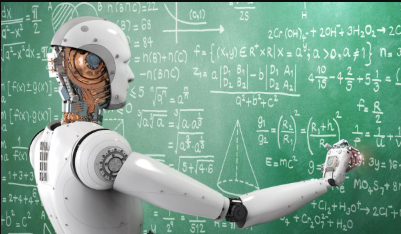
Education continues to change as technology, society, workplaces, and learning expectations evolve. Traditional classrooms remain important, but students and educators now have access to digital platforms, interactive resources, online courses, artificial intelligence tools, virtual collaboration, and flexible learning methods. These developments are creating new opportunities for people to learn beyond conventional classrooms and explore subjects at their own pace.
EducationBeing Com : can be explored within this broader environment of educational ideas, digital learning, knowledge resources, and modern approaches to education. The value of educational information is not limited to presenting facts. Useful learning content should help readers understand concepts, connect ideas with real situations, and discover practical methods for improving their learning experience. This is increasingly important as learners encounter a growing amount of information across the internet.
Modern education is also becoming more personalized. Students have different interests, learning speeds, goals, and preferred methods of studying. Some learners understand concepts through visual examples, while others prefer reading, discussion, practice, or hands-on activities. New educational technologies are helping create more flexible learning experiences while also introducing questions about digital safety, information quality, accessibility, and responsible technology use.
Understanding New Ideas in Education
New educational ideas often emerge in response to changing needs. The purpose of education is no longer limited to memorizing information for examinations. Students increasingly need communication skills, problem-solving abilities, creativity, digital literacy, collaboration, and the ability to evaluate information. These skills can help learners adapt to environments where technology and workplace expectations continue to change.
EducationBeing Com : represents a useful keyword context for exploring these broader changes in learning. An educational resource can introduce readers to different approaches, from online learning and project-based education to digital classrooms and technology-assisted study. The most useful approach is to consider how an educational idea works in practice. For example, project-based learning can allow students to apply theoretical knowledge to real situations, making lessons more meaningful than learning concepts in isolation.
Education is also becoming more connected to lifelong learning. People may return to education throughout their careers to develop new professional skills, understand emerging technologies, or explore personal interests. This means educational resources are increasingly relevant not only to school and university students but also to professionals, entrepreneurs, parents, and independent learners.
The Growth of Digital Learning
Digital learning has transformed access to education. A learner with an internet-connected device can explore courses, tutorials, lectures, educational videos, research materials, practice exercises, and interactive lessons from many locations. This flexibility can be particularly useful for people who cannot attend traditional classes because of work schedules, geographical limitations, or other responsibilities.
EducationBeing Com : can be considered within this growing digital learning environment. Online learning does not simply mean watching recorded lectures. Modern platforms may combine videos, quizzes, assignments, discussion spaces, digital documents, interactive exercises, and progress tracking. These different formats can give learners multiple ways to engage with a subject.
However, digital learning also requires self-management. Without the structure of a physical classroom, students may need to create their own schedules, manage distractions, complete assignments consistently, and identify reliable resources. A successful online learning experience therefore depends on both technology and the learner’s habits.
Artificial Intelligence and Modern Education
Artificial intelligence is becoming increasingly relevant to education. AI-powered tools can assist with tasks such as generating practice questions, explaining difficult concepts, organizing information, providing language assistance, and helping learners explore different approaches to a subject. When used appropriately, these tools can provide additional support outside traditional classroom hours.
At the same time, AI should not replace independent thinking. A generated explanation may contain mistakes or lack the context required for a particular assignment. Students need to verify important information, understand the material themselves, and follow the academic policies of their schools or institutions. Educators also have an important role in teaching students how to use AI responsibly rather than simply treating it as an answer-generating system.
For EducationBeing Com : and related educational topics, AI provides an example of how learning is becoming more technology-assisted. The most useful role for AI may often be as a learning companion that helps explain, organize, brainstorm, or provide practice while leaving critical thinking and final judgment with the learner.
Personalized Learning and Student Needs
Every student learns differently. Some learners may need additional explanations before understanding a difficult concept, while others may progress quickly and benefit from advanced material. Personalized learning attempts to respond to these differences by allowing learners to access content, exercises, and support according to their individual needs.
Technology can make personalization easier by providing different levels of difficulty, adaptive exercises, progress information, and flexible learning schedules. For example, a language learner may practice vocabulary repeatedly when certain words remain difficult, while a student who has already mastered a topic can move toward more advanced material.
EducationBeing Com : can be viewed within this broader discussion of learner-centered education. Personalization does not necessarily mean that every learner needs a completely different curriculum. Instead, it can mean giving students greater flexibility in how they access explanations, practice skills, and review difficult concepts. Teachers remain important because human guidance can provide context, encouragement, and feedback that technology alone may not provide.
The Importance of Digital Literacy
Digital literacy has become an essential part of modern education. Students need to know how to search for information, evaluate sources, protect accounts, recognize misleading claims, use digital tools responsibly, and communicate appropriately online. Simply having access to technology does not automatically mean a learner understands how to use it effectively.
Information literacy is particularly important because the internet contains enormous amounts of educational material of varying quality. A student researching a scientific topic may encounter academic sources, educational articles, opinion pieces, promotional pages, and social media posts. Learning to distinguish between these sources helps students build stronger research habits.
Modern learners can benefit from developing several core digital habits:
- Checking the source and date of important information.
- Comparing significant claims across reliable resources.
- Protecting accounts with strong passwords and secure authentication.
- Understanding privacy settings and responsible online communication.
- Using AI and digital tools with appropriate human judgment.
These habits can support learning across subjects and age groups. They also prepare students for workplaces where digital communication and information evaluation are increasingly common.
Technology in the Classroom
Technology can support classroom education in many ways. Interactive displays, educational software, digital assignments, online research tools, simulations, and collaborative platforms can provide teachers with additional methods for explaining concepts. Technology can also help students access supplementary material when they need more practice or a different explanation.
The goal, however, should not be to introduce technology simply because it is available. A digital tool is most useful when it improves a particular learning activity. For example, an interactive simulation may help students visualize a scientific process that is difficult to demonstrate physically. A collaborative document can allow students to work together on a group project while receiving teacher feedback.
EducationBeing Com : can therefore be associated with the wider conversation about using technology thoughtfully in education. Effective digital learning depends on the combination of suitable tools, good teaching methods, reliable content, and active student participation.
Comparing Modern Learning Approaches
Different educational approaches serve different purposes. Traditional classroom teaching provides direct interaction between teachers and students, while online learning offers flexibility. Project-based learning emphasizes practical application, whereas self-directed learning gives individuals greater control over what and how they study.
| Learning Approach | Main Characteristic | Useful For |
|---|---|---|
| Traditional classroom | Direct teacher interaction | Structured education |
| Online learning | Flexible digital access | Remote and flexible study |
| Project-based learning | Practical application | Problem-solving and collaboration |
| Self-directed learning | Learner-controlled progress | Personal and professional development |
| Blended learning | Combination of online and classroom methods | Flexible structured learning |
No single approach works identically for every learner. A student may benefit from classroom instruction for difficult subjects while using online resources for additional practice. A professional may prefer self-directed courses because they can study around a work schedule.
This flexibility is one of the most important developments in modern education. EducationBeing Com : can be explored within this changing learning environment, where different educational resources can complement one another rather than competing for a single universal method.
The Role of Teachers in Modern Learning
Technology has changed education, but it has not removed the importance of teachers. Educators provide guidance, context, feedback, encouragement, and classroom interaction. They can recognize when students are struggling and adapt explanations based on individual circumstances.
Teachers also help learners develop skills that extend beyond academic information. Communication, teamwork, creativity, confidence, ethical reasoning, and problem-solving often develop through interaction with educators and classmates. Technology can support these activities, but human relationships remain an important part of education.
Modern education therefore works best when technology supports teaching rather than simply replacing it. Digital tools can handle certain repetitive tasks or provide additional resources, while teachers focus on deeper instruction, mentorship, discussion, and individual support.
Education and Career Development

Education increasingly connects with professional development. Rapid changes in technology mean that workers may need to learn new software, analytical methods, communication tools, or industry-specific skills throughout their careers. Online courses and digital learning platforms can make this continuous development more accessible.
EducationBeing Com : can be considered in this context of lifelong education and skill development. A professional might study data analysis to improve workplace performance, learn digital marketing to support a business, or explore project management to qualify for new responsibilities. Education is therefore becoming less like a single stage of life and more like an ongoing process.
Employers are also increasingly interested in practical capabilities rather than knowledge alone. Workers need to demonstrate that they can apply what they have learned. Projects, portfolios, practical exercises, and real-world problem-solving can therefore complement traditional qualifications.
Making Online Education More Effective
Online learning can be highly flexible, but learners need effective habits to get the most from it. A person who enrolls in several courses without completing any may gain less value than someone who focuses carefully on one subject and practices consistently.
Creating a realistic study schedule can help. Learners can divide large subjects into smaller sessions, take notes, practice important concepts, and periodically review earlier material. Setting specific goals also makes progress easier to measure.
Another important habit is active learning. Instead of simply watching a lesson, students can answer questions, solve problems, explain concepts in their own words, and apply information to practical examples. These activities help turn passive exposure into deeper understanding.
Future Trends in Education
Education is likely to become increasingly connected with artificial intelligence, digital collaboration, immersive learning, adaptive platforms, and flexible online resources. These technologies may provide new ways for students to practice skills and explore subjects, while educators can use digital tools to support instruction and identify areas where learners require additional help.
At the same time, future education will need to address important challenges. Access to technology remains uneven in some communities, and excessive dependence on digital systems can create concerns around privacy, distraction, and screen time. Educational institutions will need to balance innovation with accessibility, security, and human-centered teaching.
EducationBeing Com : fits into this broader discussion because discovering new educational ideas requires an understanding of both opportunities and limitations. The future of education is unlikely to be defined by one technology or teaching method. Instead, it will involve a combination of approaches designed to help different learners achieve meaningful outcomes.
Frequently Asked Questions
What is EducationBeing Com?
EducationBeing Com can be explored as a topic related to modern education, digital learning, knowledge resources, study methods, and educational innovation. The specific purpose of any website using this name should be assessed from its current content and structure.
Why are new ideas important in education?
New ideas can help education respond to changing student needs, technology, workplace expectations, and learning environments. Approaches such as blended learning, project-based education, and digital resources can provide additional ways for students to understand and apply knowledge.
How is AI being used in education?
AI can support education through explanations, practice exercises, personalized assistance, research support, language tools, and administrative tasks. Students should still verify important information and use AI according to their institution’s academic guidelines.
Can online learning replace traditional education?
Online learning provides flexibility and can complement traditional education, but it does not serve every learner or subject in exactly the same way. Classroom interaction, practical activities, teacher guidance, and peer collaboration remain valuable components of education.
What skills should modern students develop?
Modern students can benefit from communication, critical thinking, digital literacy, research skills, problem-solving, collaboration, creativity, and the ability to evaluate information. These skills can remain useful even as individual technologies change.
Why is lifelong learning becoming important?
Technology and workplace requirements continue to evolve, so people may need to develop new skills throughout their careers. Lifelong learning allows individuals to adapt to changing professional requirements and explore new areas of knowledge.
Conclusion
Education is changing from a system focused primarily on delivering information into a broader environment that emphasizes skills, creativity, digital literacy, problem-solving, and continuous learning. Technology is creating new possibilities through online education, artificial intelligence, digital resources, collaborative platforms, and personalized learning experiences. At the same time, effective education still depends on human guidance, critical thinking, reliable information, and meaningful interaction.
EducationBeing Com : can be understood within this evolving educational landscape, where discovering new ideas can help learners and educators explore different ways of acquiring and applying knowledge. The most useful educational resources are those that connect ideas with practical situations and encourage readers to think beyond simply memorizing information.
As education continues to evolve, learners will increasingly need the ability to adapt, evaluate information, use digital tools responsibly, and continue developing their skills. By combining innovative technology with strong teaching practices and active learning habits, modern education can create more flexible and meaningful opportunities for people at different stages of life. The future of learning will not depend on technology alone but on how thoughtfully people use it to support knowledge, creativity, and lifelong development.

